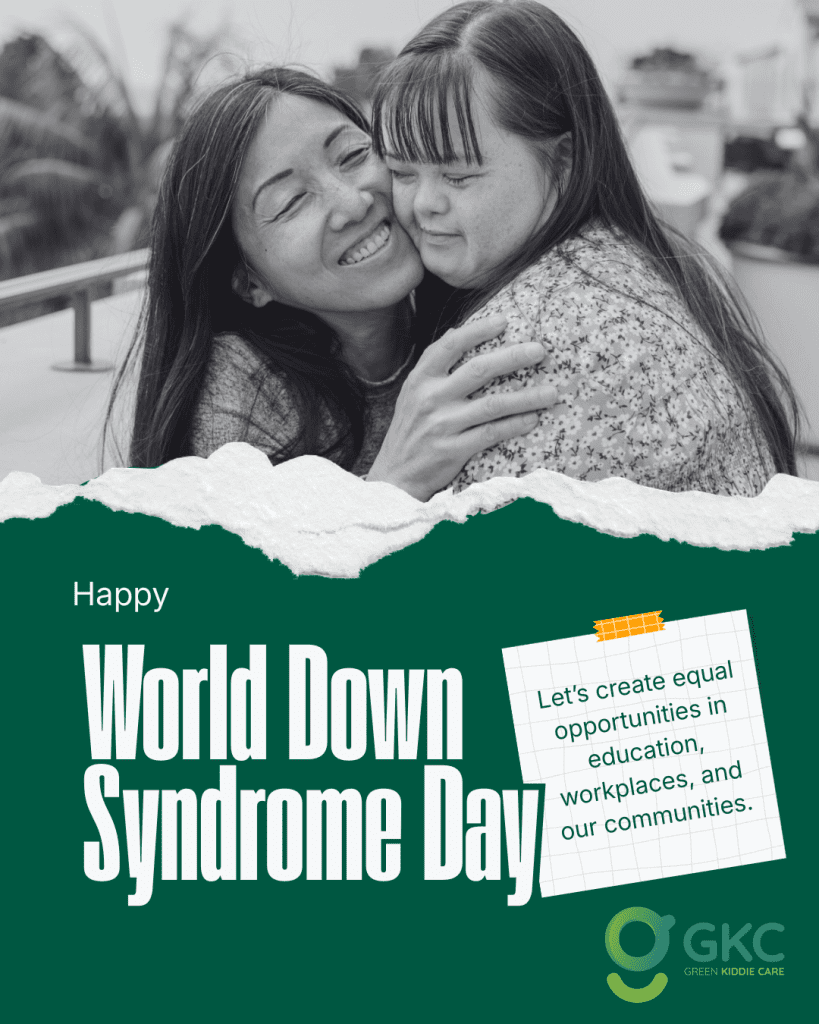
Down syndrome
Etiology: a chromosomal disorder called trisomy 21, resulting in 47 chromosomes instead of 46
Down syndrome results in several pathologies at body structure and systems such as neuromotor, musculoskeletal and cardiopulmonary pathologies in addition to mental and cognitive abilities
Here we will demonstrate the changes at each body structure and system:
neuromotor:
– Brain weight ranged from 66% to 76% of normal
– There is reduction of antroposterior diameter, which called microbrachcephaley
– Child with down syndrome has low numbers of small neurons, and has changes in the formation of dendrites of pyramidal tract at the motor cortex that leads to lack of coordination
– evidence of lack of myelination and delay of myelination completion from 2 months to 6 years which denotes the global developmental delay
Sensory deficits:
– Most common senses that are affected visual, auditory and speech impairment
– About 60-80% of children with down syndrome has mild to moderate hearing loss. otitis media is a frequent occurring medical problem that leads to intermittent or persisting hearing
Cardiopulmonary :
– 40% of children with down syndrome have congenital heart deficits that usually repaired at infancy
Musculoskeletal difference:
– Short stature: e.g length, metacarpal and phalangeal length
– May be present absent of palmaris longus and supernumerary forearm flexors
– ligament laxity which contributes to: pes planus, patellar instability, scoliosis, atlantoaxial instability moreover hip instability
– Generalized hypotonia: found in a muscle group of extremities, neck and trunk, it is the most contributing factor for motor developmental delay
– lack of grip strength, isometric and ankle strength have to be deficient
Physical therapy examination for the child with down syndrome:
Multidisciplinary approach for examination and intervention is most important for down syndrome
The evaluation includes:
– Comprehensive gross and fine movement developmental testing
– Musculoskeletal examination
– Assessment of automatic reactions and postural responses
– Functional examination
– Cognitive assessment
– Speech and language assessment
– Sensory systems assessment
Goals of physical therapy intervention:
– For developmental delay:
o Facilitate gross motor milestones
o Facilitate fine motor milestones
o Through handling and positioning, improve antigravity control and weight bearing
o Improve antigravity extension from prone, weight shifting and transitional activities
o Midline orientation and bimanual activities
o Improve strength of trunk muscles
o Encourage righting and postural reactions
o Teach parents and caregivers the choices that will enhance the child`s overall development
– For musculoskeletal problems:
o Maintain alignment
o Improve normal movement forces
o Prevention of anticipated postural abnormalities
– Cardiopulmonary fitness:
o Encourage cardiopulmonary endurance
o Improve overall fitness
Goals of occupational therapy:
– Improve strength of hand grip, prewriting activities and playing
– Encourage activities of daily living
– Improve strength of oral cavity muscles and neck muscles
– Improve coordination between swallowing and breathing abilities through eliciting voices and feeding activities
– Sensory integration for improving the motor output specially proprioception and visual training
Goals for cognitive training:
– Early intervention for acquiring the learning abilities is very important
Recommendations and precautions:
– Avoidance of excessive head extension, flexion or rotation
– Closely monitoring neurologic status due to risk of atlantoaxial joint instability
– Avoidance of sports that cause excessive cervical movement
– Regular screening for the scoliosis all over the life span
– Regular assessment for pes planus, knee recurvatum, patellar instability, hip instability
– orthotic management if needed
At GKC (Green Kiddie Care), comprehensive assessment and multidisciplinary intervention for children with Down syndrome are essential to optimize their overall development and functional outcomes.
The accreditation process involves comprehensive evaluations of our organization’s policies, procedures, and practices. These evaluations identify areas of strength and areas that require improvement. By receiving feedback from independent evaluators, we gain valuable insights that drive our continuous improvement efforts. This iterative process allows us to refine our operations and enhance the care we provide to our patients.
The Quality Accreditation Program at GKC underscores our unwavering commitment to patient safety and the delivery of high-quality care. By adhering to rigorous standards, engaging in continuous improvement, and seeking external validation, we ensure that our services consistently meet or exceed industry best practices. This program builds trust with our patients and stakeholders, attracts top talent, and drives organizational growth. We remain dedicated to upholding the highest standards of care and continually improving our services to better serve our patients and community.